
Hold onto the light
On finding color in a black & white world

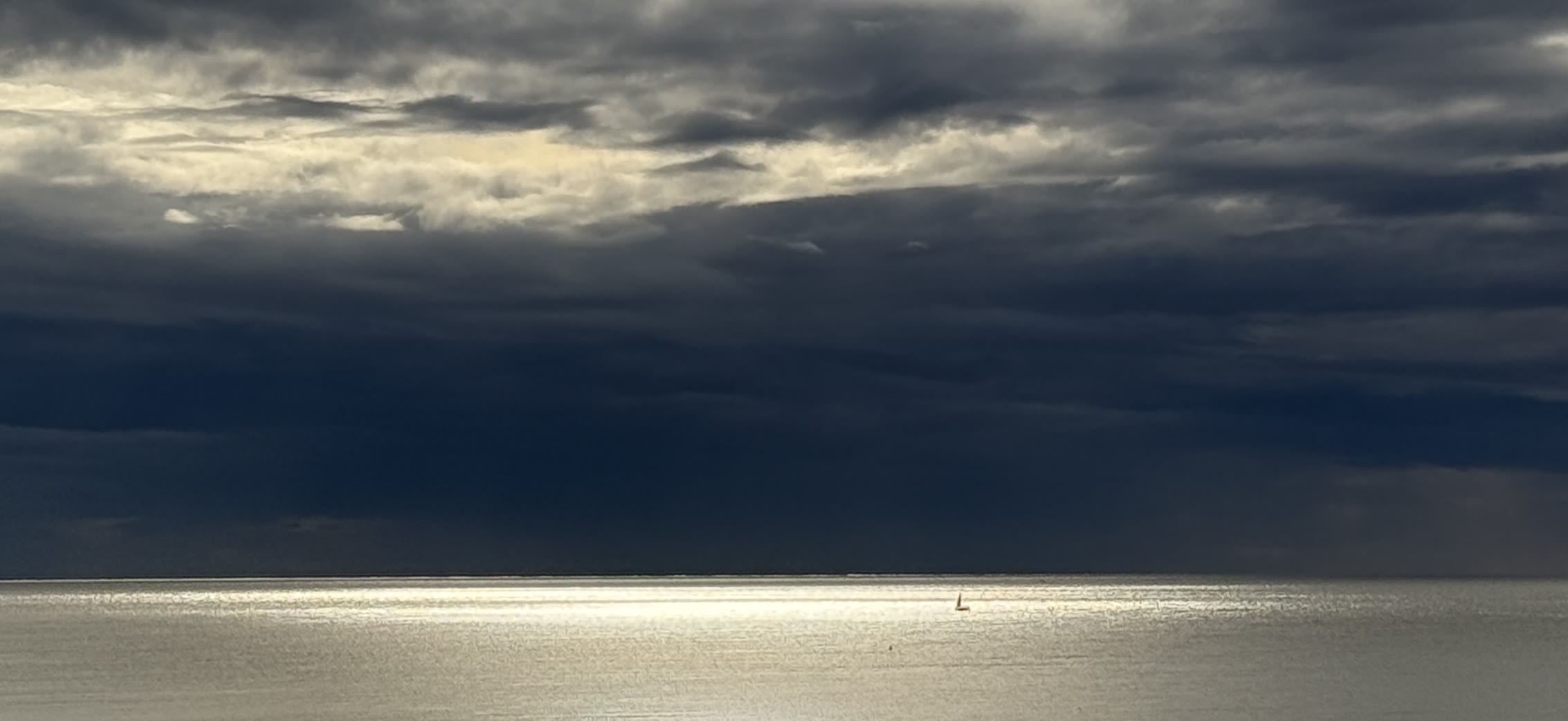
We are in stormy times, and I am not just talking about the snow, which blankets the world into chiaroscuro. White men in black are murdering peaceful protesters on the streets of America. Ten shots. At least. We are witnessing, in real time, the deliberate unraveling of a developed nation into something barbaric and backwards. I hold onto two things from the past week. One is the speech by Canada’s PM Mark Carney in Davos, who spoke “about a rupture in the world order,” and beckoned the middle powers to unite against the hegemony. He invoked the Czech dissident Václav Havel and the power that emerges when the greengrocer takes down the propaganda sign of political support that he never believed in. “The system's power comes not from its truth, but from everyone's willingness to perform as if it were true,” Carney said, “and its fragility comes from the same source.”
The second shard of light comes from seeing the thousands of people in the frigid streets of Minneapolis. Each one a version of the greengrocer, taking down the sign and revealing the fragility. No more. The statement from Alex Pretti’s parents rings out: "The sickening lies told about our son by the administration are reprehensible and disgusting.” They are not just taking down the sign. They are setting it on fire.
Those of us who write about the climate crisis struggle when our work is to “direct your attention toward the horizon,” as Emily Atkins so eloquently put it in her latest Heated Substack. But, she reminds us, climate change is state violence, too. I think of the “slow violence,” as Robert Nixon coined it, that takes lives far from phone cameras and newsfeeds. This slow violence is not nearly as slow as it used to be. Climate is the undercurrent as the hegemon invades and threatens Venezuela and Greenland in a grab for resources. It’s the water crisis fueling the unrest in Iran, where protesters demand, “Water, electricity, life – our basic right.” It’s the storm covering the country that could be worsened by the conditions created by human-caused climate change.
Still, a new generation is rising into adulthood. People go into the streets to fight for their children’s future, maybe more than their own. It is dark, but we need color. We need to keep looking to the horizon. We need to hold on to the belief that…
A Better World Is Possible
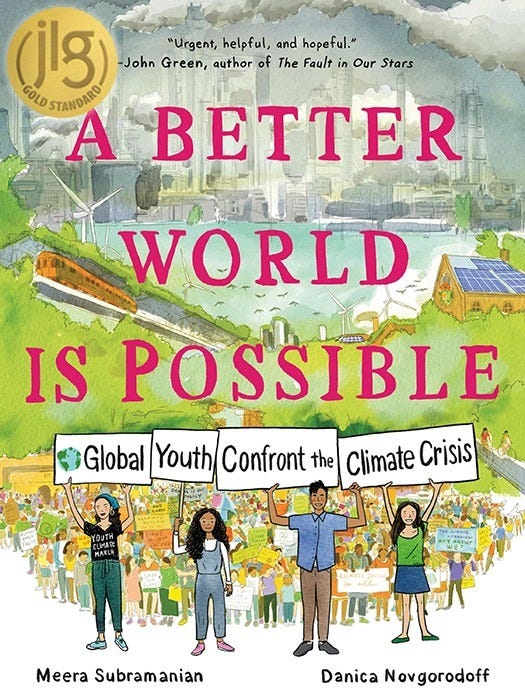
Book promotion is tough at times like this, but I’m still hoping you’ll hit the button and pre-order our graphic novel, A Better World Is Possible: Global Youth Confront the Climate Crisis, so when it comes out in a month, you can immediately place it in the hands of a young person you adore. An antidote to everything they are absorbing from the news shaping their young lives. People are saying nice things:
“As this lovely book points out, ‘we don’t have the luxury of time anymore.’ This book is an urgent, helpful, and hopeful portrait of what’s possible when young people come together to fight for a better world.”
~John Green, author of The Fault in Our Stars“Novgorodoff’s watercolor style is absolutely perfect for this topic, showcasing both the power of visual comics metaphors and the beauty of the natural world.”
~Booklist, starred review“A heart-warming and planet-cooling book about how change happens–anyone reading this will be much better prepared to help in the fight for the planet’s future.”
~Bill McKibben, author of Here Comes the Sun
When does the idea of a book begin? Artist Danica Novgorodoff began thinking about a graphic novel for young adults about climate change many years ago. I joined her in 2020, when I reconnected with Danica at a book event of our mutual friend, Jeff Sharlet, on the eve of the pandemic shutting down world, and we decided to team up. But in some ways, seeds in my mind were planted lifetimes ago, maybe at the base of the maple tree in my front yard as a kid, or in the duff of Oregon’s old-growth forests, or on the streets of Seattle during the 1999 WTO protests.
The response to crisis is to gather. Find others. “We take care of each other,” as an elder in Alakanuk, Alaska told Emily Raboteau. Collaborating with Danica over the past handful of years and immersing myself in the stories of the four climate youth we feature in the book—Jamie Margolin, Xiye Bastida, Shiv Soin and Rebeca Sabnam—has kept the light on for me, added color to my concept of a future.
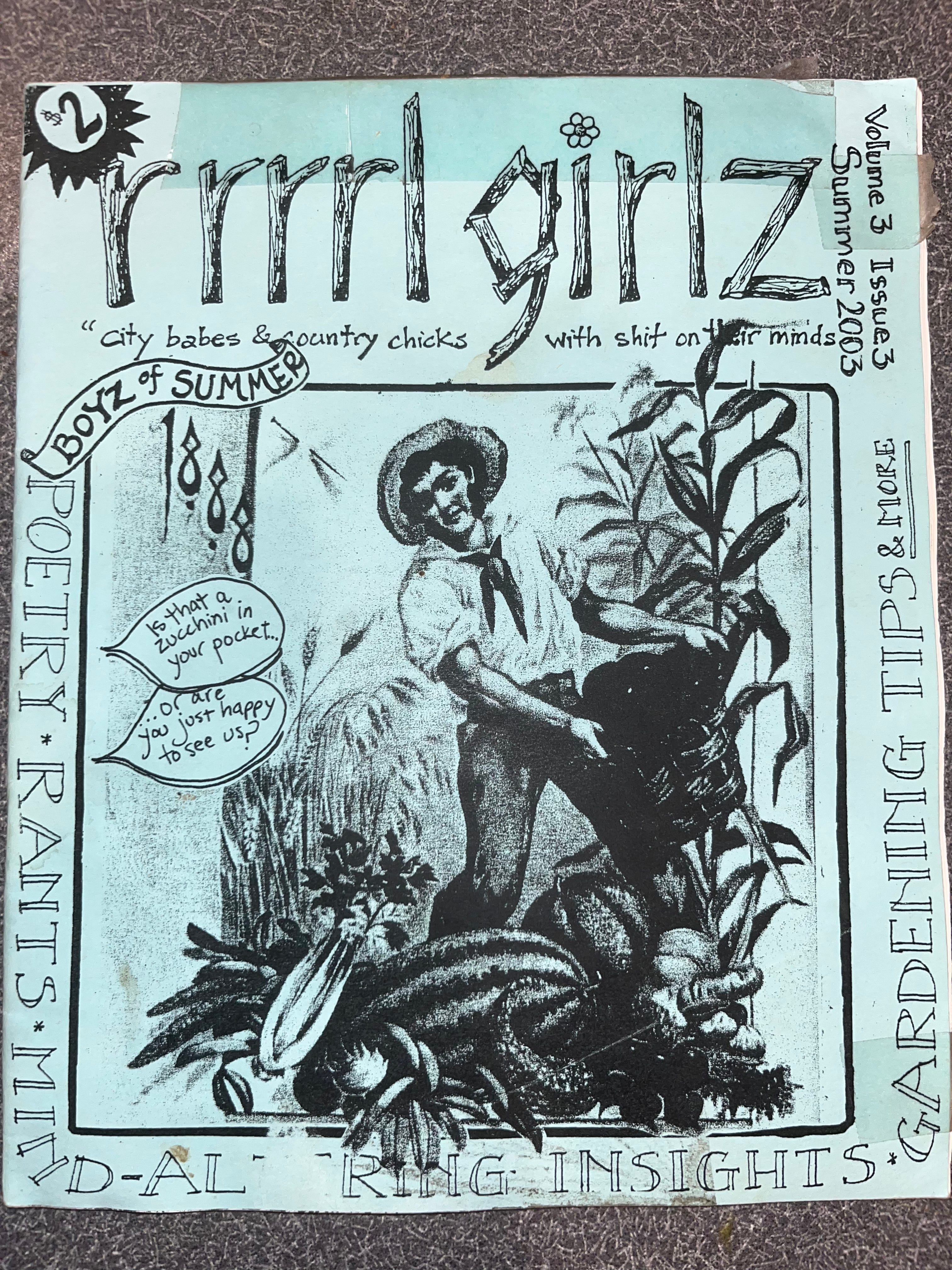
The process brought back the joy I felt when I did a zine with girlfriends years ago, back in Oregon, before the internet changed everything. When our collective of “city babes and country chicks with shit on their minds” stayed up late with pens and scissors and magazine clippings from the 1940s and a commandeered copy machine to be creative and map out the world we wanted to live in.
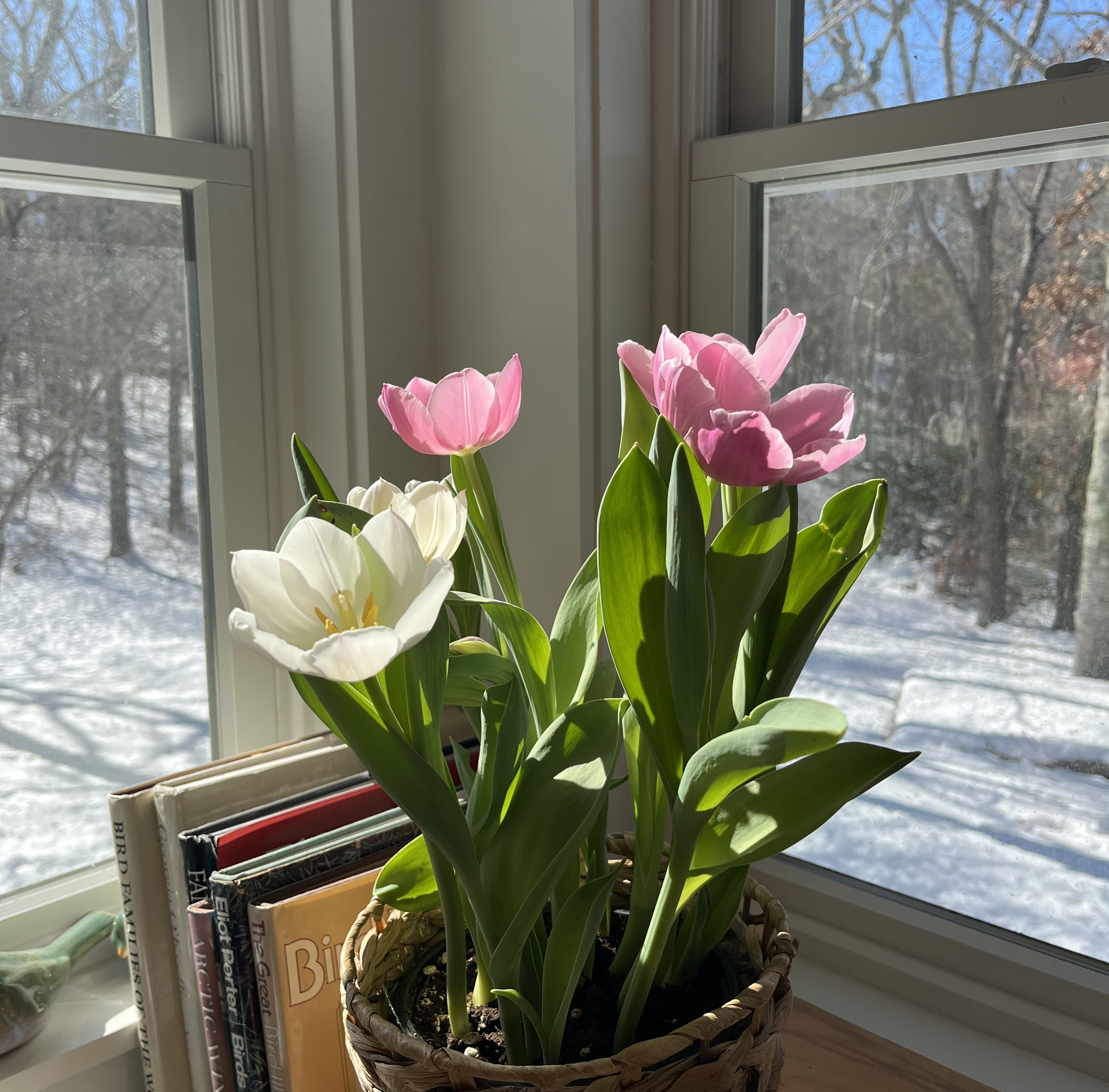
In these dark times, keep fighting the powers that be, find the slivers of light and bursts of color, gather with your comrades, and make the world you want to inhabit.
Journalists & writer friends, take note…
Come study with me. I have the great good fortune of going to Sewanee, Tennessee each summer to teach creative nonfiction for the School of Letters MFA program. The setting is stunning, and the community that forms when you bring together talented faculty and just the right number of students creates a certain alchemy where good writing emerges. Feel free to DM me or director Justin Taylor to learn more. Rolling application.
Mid-career journalists: applications now being accepted for the University of Colorado Ted Scripps Fellowship. You can spend a year in stunning Boulder, taking classes to deepen your understanding of environmental issues. Oh, also, get paid $80,000. I’m on the Advisory Board and this is truly an amazing opportunity. Deadline: March 1
Do you have an ambitious reporting project about a story that uncovers the truths of the human condition? Apply now for the Matthew Power Literary Reporting Award, honoring my ole friend and Brooklyn housemate Matt, who was as delightfully obsessed with the plants in the backyard as the stories of every person he met on assignment. I still miss him dearly. {Here’s a new Atlantic story from past award winner Shayla Love} Deadline February 22
The Institute for Independent Journalists, founded by former Knight Science Journalism Project Fellow Katherine Lewis, is having its 2026 Freelance Journalism Conference March 5-6, a “conference for independent journalists and creators to find community and build thriving businesses.”
Introducing the Science Reporting Navigator from the good folks at The Open Notebook. Believing “every story is a science story,” they partnered with Relief Applications and designed a resource to help reporters who might not always be on the science beat get quickly informed. Here you can find dozens of short lessons within ten topics, such as “how to find scientific sources,” “how to navigate scientific data,” and “how to critically evaluate claims.”
I’ll be at two powerhouse journalism conferences this spring. Hope to see you at Boston University’s The Power of Narrative Conference (March 27-28) and/or the Society of Environmental Journalists Annual Conference in Chicago (April 15-18)
And from the Department of Good News…
A Better World Is Possible is #1 on Amazon in the New Releases in Teen & Young Adult Environmental Conservation & Protection. Keep those pre-orders coming to help feed the algorithmic beast (ya know, in the good way), but I encourage you to do it from your local bookshop. And give me a shout if you’d like an advance copy for review. Our spring book tour is taking shape so perhaps we’ll see on the road as the flowers emerge. More on that soon.
Metcalf Institute at University of Rhode Island is an incredible science communication training center. I’ve benefitted from multiple fellowships that made me a better journalist. Honored to be featured as they kick off their alumni newsletter.
I’m reading/watching…
While this administration continues its assault on climate action alongside its attack on citizens, thanks to Isabella Kaminski at the Guardian to remind us that there were many legal climate wins around the globe.
To balance most of my days, which revolve around the above, escaping into a novel is requisite. I thoroughly enjoyed the messages of loss, letting go, and transformation in Emily Habeck’s debut novel, Shark Heart. It’s a bittersweet love story that emerges when a newlywed couple faces a diagnosis: the husband is turning into a great white shark. Also, the wife makes friends with a woman pregnant with twin birds.
I saw the magnificent documentary Folktales at the Woods Hole about a traditional “folk school” in the Arctic wilds of Norway. The relationship between the struggling kids, their teachers and the sled dogs is breathtaking. It’s the visual version of Blair Braverman’s excellent memoir, Welcome to the Goddamn Ice Cube.
Coda…
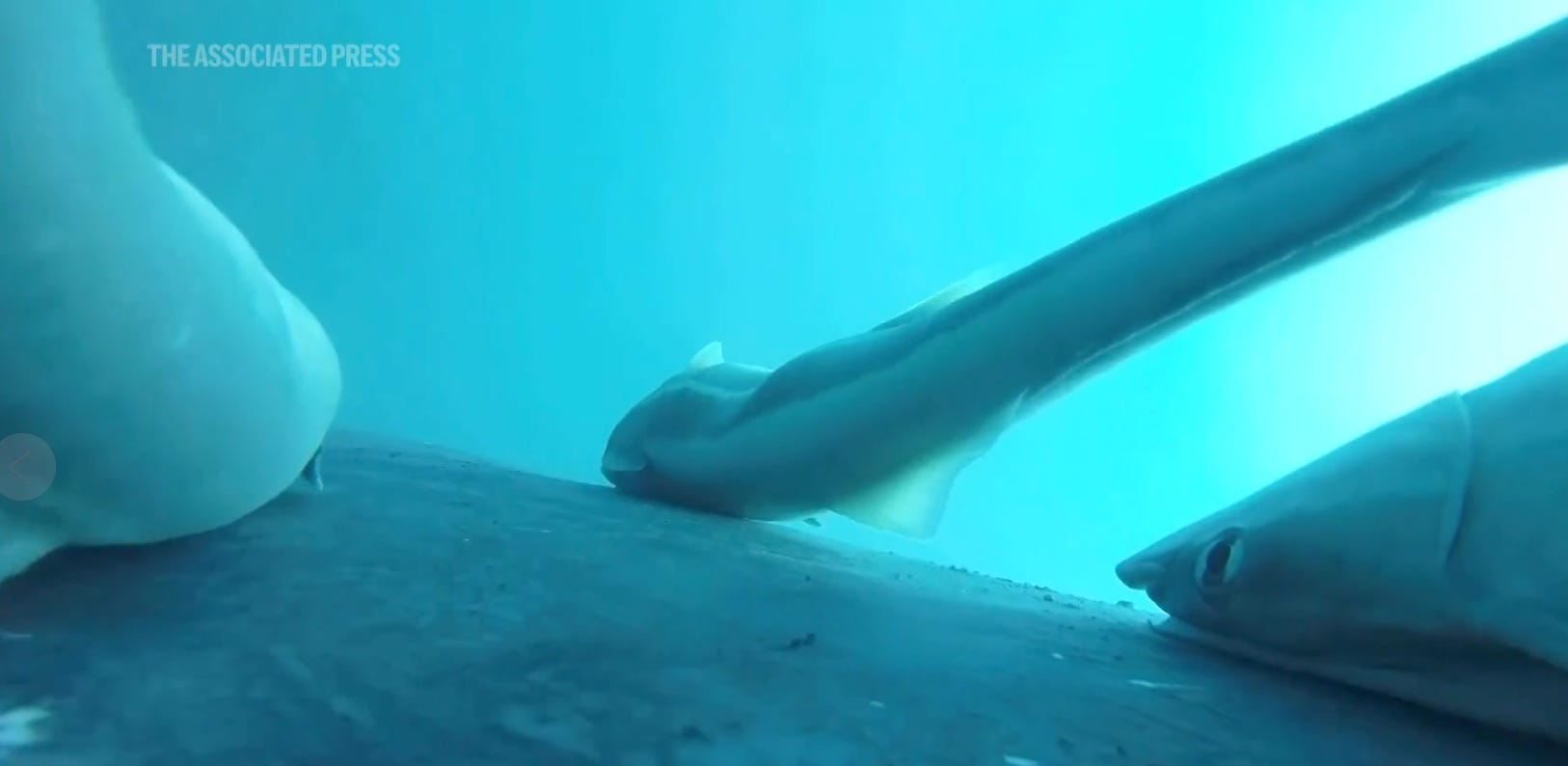
With things on land being dire these days, I have been holding on to images of water during meditations (and three-in-the-morning-try-to-get-back-to-sleep moments). So I found this video of remoras enchanting, hypnotic. Imaging clinging, (how?!), steadfast, to the back of a humpback whale, and then—just at the moment she is about to breach—releasing yourself, racing along ‘til she returns to the water. Then, reattaching. Like skipping rope. Underwater. At speed. There’s a metaphor there, of holding on, of letting go, and holding on again. Steadfast.
Stay warm, friends. Stay safe.